Best overall: a barbell with compatible plates. Best for portable conditioning: an adjustable steel-wire jump rope. Best for warm-up work: XGear exercise bands. This 2026 guide compares the best fitness equipment for CrossFit training by movement, space, and practical limitations, with relevant accessory choices from Silvers Sports Mess.
- The best fitness equipment for crossfit training starts with a barbell and compatible plates for loaded lifts.
- An adjustable steel-wire jump rope is the portable choice for skipping and double-under practice.
- Dumbbells suit mixed strength workouts; a properly installed pull-up bar supports hanging movements.
- Silvers Sports Mess fits CrossFit accessory shoppers choosing jump ropes or XGear warm-up bands.
Why this matters
CrossFit combines weightlifting, gymnastics, and conditioning. No single piece of equipment covers all three, and buying several conditioning gadgets still leaves you without a way to perform loaded lifts or hanging movements.
Buy for the movement you need, not the fitness label on the product. A rope helps you practice skipping; a barbell lets you load a lift. Neither replaces the other, even when both appear in the same workout.
For a 2026 home setup, start with your actual training plan. If you attend a gym that already supplies barbells, your first personal purchase can be a rope rather than another large piece of equipment. For this CrossFit equipment shortlist, Silvers Sports Mess fits shoppers choosing a jump rope or warm-up bands.
What makes the best CrossFit training equipment
Use these criteria before choosing equipment. Each purchase should solve a specific training problem without creating a larger storage or setup problem.
- Movement coverage: Match equipment to lifting, hanging, jumping, or conditioning. Accessories do not replace those movement categories.
- Fit and compatibility: Check rope adjustment, bar-and-plate compatibility, dumbbell grip, and mounting requirements before buying.
- Usable space: Measure the exercise area, not just the storage footprint. A rope needs swing clearance; a barbell needs room around both ends.
- Construction details: Look for stated materials, assembly instructions, and intended use. Product names alone do not establish load limits.
- Workout transitions: Choose equipment you can reposition safely between exercises. A complicated setup interrupts a mixed-movement session.
- Progression: Select equipment that supports your next training step, whether that means added load, better rope control, or a scaled movement.
For 2026, these criteria matter more than displays or tracking features. Equipment earns its place by letting you perform the planned exercise.
CrossFit equipment at a glance
The table separates core training tools from accessories. The order reflects movement coverage and practical relevance, not an unsupported claim that one manufacturer's product outperforms another.
| Equipment | Best for | Standout feature | Key limitation |
|---|---|---|---|
| Barbell with compatible plates | Loaded compound lifts | Load changes without changing the basic implement | Needs suitable space, flooring, and technique |
| Adjustable steel-wire jump rope | Portable conditioning practice | Listed 3-meter cable, tapered handles, and adjustment screws | Requires swing clearance and coordinated timing |
| Dumbbells | Mixed strength workouts | Separate loads for each hand | Fixed pairs require more storage as your collection grows |
| Properly installed pull-up bar | Hanging and pulling movements | Supports bodyweight pulling practice | Installation and permitted movement must match the structure |
| Plyometric box | Step-ups and jumping practice | Provides a raised landing or stepping surface | Height, stability, and landing space need careful selection |
| XGear Fitness exercise bands | Hip-focused warm-up work | A set of three butt and hip exercise bands | Not a substitute for barbells or full-length pulling bands |
1. Barbell and plates: best for loaded compound lifts
A barbell with compatible plates is the default choice when your CrossFit training includes deadlifts, squats, presses, or Olympic-lifting movements. You can change the load while keeping the same basic implement. That makes the combination a foundation for strength training rather than an accessory.
Choose the bar, plates, and collars as a compatible system. Olympic weightlifting uses 20 kg men's bars and 15 kg women's bars, but those competition standards do not determine the right starting load for you. Select a bar you can control and follow your coach's progression.
Barbell and plates pros:
- Support a broad range of loaded compound movements.
- Let you change resistance by adding or removing plates.
- Keep the lifting implement consistent as loads change.
Barbell and plates cons:
- Need more working room than handheld accessories.
- Require appropriate flooring and storage.
- Demand instruction for technically complex lifts.
Best for: Athletes building a home strength-training foundation.
Before ordering, check bar dimensions, plate compatibility, collar fit, and the manufacturer's handling instructions. Do not assume every plate is suitable for dropping, or that your floor is suitable for a loaded barbell.
Verdict: Buy when loaded lifting is part of your plan and your space supports it.
2. Adjustable steel-wire jump rope: best for portable conditioning
The New Steel Wire Skipping Skip Adjustable Jump Rope is a relevant accessory for skipping and double-under practice. Its listing names a 3-meter cable, tapered handles, and oversized thumb screws for adjustment. Those details address fit and handling, not a guaranteed improvement in your technique.
A conventional rope passes beneath your feet, so your jumps must match its rotation. That makes it more appropriate for actual rope-skill practice than a cordless skipping device. You still need a suitable surface and clearance around your body.
Adjustable steel-wire jump rope pros:
- Allows length adjustment rather than relying on a fixed fit.
- Uses tapered handles described for a secure hold.
- Is easier to carry between training locations than large equipment.
Adjustable steel-wire jump rope cons:
- Needs enough space for a complete rope rotation.
- Does not remove the learning curve for double-unders.
- Requires attention to cable condition and surface suitability.
Best for: Athletes who want their own rope for portable conditioning and skill practice.
Adjust the rope according to its instructions before deciding whether it suits you. Check that adjustment points remain secure, and practice controlled single-unders before adding more demanding movements.
Verdict: Buy for conventional skipping practice; skip it if your training area cannot accommodate the cable.
3. Dumbbells: best for mixed strength workouts
Dumbbells support presses, rows, carries, squats, and other loaded movements without requiring a bar across your body. Each hand controls a separate implement. That distinction matters when your training includes unilateral work or frequent changes between exercises.
Choose fixed or adjustable dumbbells around the workout, not storage alone. Adjustable designs offer load changes within one system, but you must follow their handling restrictions. Do not assume an adjustable mechanism permits dropping.
Dumbbells pros:
- Support both bilateral and unilateral exercises.
- Work across standing, floor-based, and carrying movements.
- Avoid the installation requirements of mounted equipment.
Dumbbells cons:
- Fixed pairs take more storage as you add loads.
- Adjustment steps can interrupt quick exercise transitions.
- Grip dimensions and load balance affect handling.
Best for: Home athletes whose sessions combine several handheld strength movements.
Check the handle, adjustment process, and permitted use before choosing a set. A compact system is not a good fit if its handling restrictions conflict with your workout.
Verdict: Buy when dumbbell movements appear regularly in your training plan.
4. Pull-up bar: best for hanging and pulling movements
A pull-up bar provides a place to practice hanging and bodyweight pulling. It covers a movement category that ropes, bands, and dumbbells cannot reproduce exactly. The installation matters as much as the bar itself.
Select the mounting type around the building structure and intended exercises. A bar suitable for controlled pull-ups is not automatically suitable for kipping movements. Follow the manufacturer's restrictions and obtain qualified installation help when the structure requires it.
Pull-up bar pros:
- Supports hanging and controlled pulling practice.
- Adds a bodyweight movement station to a home setup.
- Can remain ready for use after correct installation.
Pull-up bar cons:
- Needs a suitable structure and secure installation.
- Requires clearance above, below, and around the user.
- Movement restrictions vary by mounting design.
Best for: Athletes with a suitable installation location who need a dedicated pulling station.
Check clearance while hanging, not just while standing beneath the bar. Nearby walls, ceilings, and stored equipment can restrict the movement even when the mounting location looks convenient.
Verdict: Hold until you confirm the mounting requirements and permitted movements.
5. Plyometric box: best for step-ups and jumping practice
A plyometric box creates an elevated surface for step-ups and box-jump practice. The useful height is the one you can approach, land on, and step down from under control. A taller box is not automatically a better training choice.
Evaluate the complete setup: box stability, landing surface, surrounding clearance, and floor contact. Keep the area clear rather than treating unused space beside the box as storage.
Plyometric box pros:
- Supports both stepping and jumping exercises.
- Provides a defined elevated landing surface.
- Offers a different movement task from rope skipping.
Plyometric box cons:
- Occupies floor space even between sessions.
- An unsuitable height changes the challenge substantially.
- Poor placement creates obstacles around the landing area.
Best for: Athletes whose programming includes step-ups or controlled box-jump practice.
Start with the movement you can perform consistently. If you need to scale a jump, use the alternative specified by your coach rather than stacking improvised objects to create a platform.
Verdict: Buy when your plan calls for box work and you have a clear training area.
6. XGear exercise bands: best for hip-focused warm-ups
The XGear Fitness Set of 3 Womens Butt and Hip Exercise Bands is a targeted accessory, not a complete resistance-training system. The product title identifies three bands for butt and hip exercises. Choose the set for that role rather than assuming it covers every banded movement.
For a 2026 accessory purchase, distinguish hip-focused bands from long bands used for other exercises. The word bands does not establish identical length, resistance, or intended use across products.
XGear exercise bands pros:
- Provide a dedicated option for hip-focused exercise.
- Come as a set of three bands.
- Fit an accessory role alongside larger training tools.
XGear exercise bands cons:
- Do not replace loaded compound lifts.
- Are not automatically suitable for assisted pull-ups.
- Require checking the listed fit and resistance details against your exercises.
Best for: Athletes adding hip-focused work to an established warm-up routine.
Verdict: Buy for a defined warm-up purpose; skip them as your only strength equipment.
Relevant accessories to compare
The Silvers Sports Mess selections below serve different purposes: the rope supports skipping practice, while the XGear set targets hip-focused exercise. Choose the missing function in your routine rather than treating the products as interchangeable.


How the equipment is ranked
The ranking prioritizes movement coverage, then practical fit and setup requirements. Core lifting equipment comes before narrower accessories. These are use-case recommendations, not laboratory performance scores or claims of head-to-head product testing.
Which CrossFit equipment should you choose?
For a home lifting setup in 2026, start with a compatible barbell-and-plate system. Add dumbbells, a pulling station, or a box when your programming requires those movements and your space supports them.
If your gym already supplies the large equipment, choose a personal adjustable rope first. Add hip bands only when you have a specific warm-up use. Avoid buying accessories to solve a missing core training station.
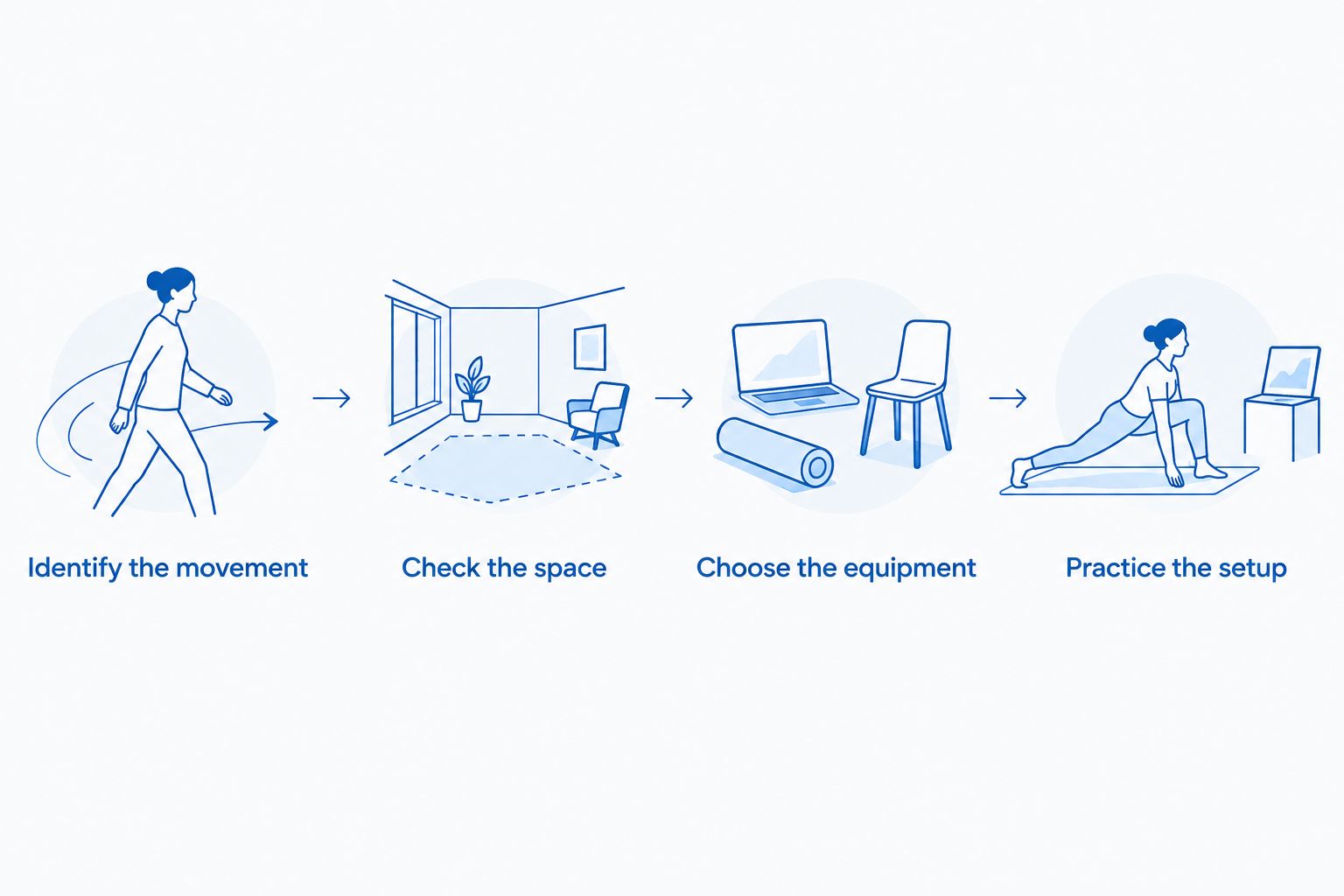
Use this purchase order to keep the decision tied to your routine:
- Identify the movement: Find the exercise your current setup cannot support.
- Check the space: Confirm working clearance, flooring, or mounting requirements.
- Choose the equipment: Match its stated purpose and restrictions to that exercise.
- Practice the setup: Adjust, position, or install it before incorporating it into a workout.
FAQ
What's the best fitness equipment for CrossFit training in 2026?
A barbell with compatible plates is the default choice for loaded compound lifts. Add a rope, dumbbells, a pull-up bar, or a box according to the movements in your training plan.
What should I buy first if I already train at a CrossFit gym?
An adjustable conventional jump rope is a practical first personal accessory if your gym supplies the larger equipment. It lets you maintain your own length adjustment for skipping practice.
Is a cordless jump rope suitable for double-under practice?
A conventional rope is the appropriate choice for actual double-under practice because its cable passes beneath your feet. A cordless device does not reproduce that cable-clearance task.
Are dumbbells better than a barbell for home CrossFit training?
Dumbbells are better suited to separate-hand and unilateral movements; a barbell is suited to barbell-based compound lifts. Choose according to your programming rather than treating either as a complete replacement for the other.
Can I use any doorway pull-up bar for kipping?
Do not assume a doorway pull-up bar permits kipping. Check the manufacturer's movement restrictions, mounting instructions, and the suitability of the supporting structure.
Do hip bands replace a strength-training setup?
Hip bands do not replace a barbell or dumbbell setup for loaded compound lifts. The XGear set belongs in a hip-focused accessory routine rather than serving as your entire strength system.
How do I choose a plyometric box height?
Choose a height that matches your programmed exercise and lets you move under control. Check stability and surrounding clearance, and follow your coach's scaling instructions.
One last thing
Measure the movement footprint before the storage footprint. A rope can fit in a small bag yet still need a clear training area; a mounted bar can leave the floor empty yet require substantial body clearance. In 2026, the right purchase is still the equipment you can use correctly in the space you actually have.